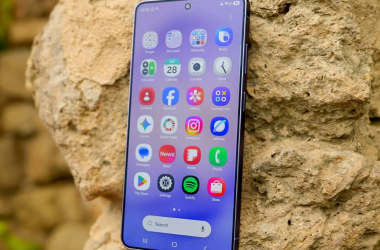




Samsung’s Galaxy Hangout last Saturday in Nairobi felt less like a traditional smartphone launch and more like a live experiment in how tech brands now want to position themselves in Kenya’s creator economy.
The event, built around the launch of the Galaxy A57 and Galaxy A37, brought together young creators, photography enthusiasts, students, and casual consumers for a day of camera demos, AI workshops, and street photography sessions across the city. Beneath the music, creator panels, and product showcases, there was a bigger message from Samsung: mid-range smartphones are no longer marketed as budget compromises. They are now pitched as creative tools for everyday people.
That matters because Kenya’s content economy has become increasingly mobile-first. A growing number of creators shoot TikToks, podcasts, Instagram reels and YouTube content entirely on phones. Samsung appears keen to lock the Galaxy A series into that culture before competitors do.
Instead of focusing heavily on specs and benchmark numbers, Samsung leaned into practical use cases. Attendees tested AI editing features like Object Eraser and Best Face, tools designed to simplify the kind of editing work that previously required separate apps or laptops. The company also pushed the idea that decent mobile photography should not require flagship-level prices or professional camera equipment.
The Galaxy A57 and A37 sit in an important space for Samsung, targeting consumers who want premium-style camera and AI features without paying top-end Galaxy S series prices. In markets like Kenya, where affordability still shapes buying decisions, that category matters far more than ultra-premium devices.
Samsung also used Nairobi itself in the pitch. Street photography walks around the city turned the launch into a showcase of how these phones handle movement, lighting and night shots in real environments rather than controlled demo spaces. It gave the event a more grounded feel.
There was also a strong push toward Samsung’s wider ecosystem strategy. SmartThings demos and TV Guard sessions showed the company wants consumers thinking beyond smartphones and deeper into connected home devices and after-sales durability concerns that resonate locally, especially around power fluctuations.