



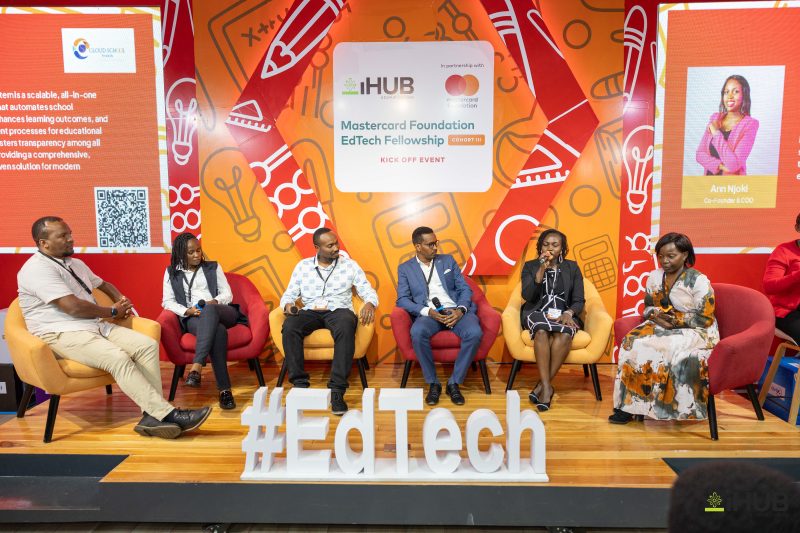
Kenya’s education technology market is growing, yet most venture-backed products still serve urban schools with stable internet and paying parents. That leaves millions of learners outside the scope of the design brief.
On Thursday, iHub, backed by the Mastercard Foundation, opened applications for the fourth cohort of its EdTech Fellowship in Kenya, targeting startups building for learners often excluded from mainstream products.
The programme will select 12 early-stage startups for a 12-month acceleration track. Each will receive $100,000 in equity-free funding, alongside mentorship, technical support and access to ecosystem partners. Applications close on 10 April 2026.
The focus areas signal a shift in how funders are framing the edtech gap. Rather than scaling test-prep apps or content marketplaces for well-resourced schools, the cohort will prioritise tools for learners with disabilities, products designed for displaced, conflict-affected and remote communities, gender-inclusive learning platforms, and education data systems that improve decision-making in schools.
Across Africa, much of the early edtech wave mirrored patterns of private schooling. Products assumed regular attendance, device access and household income. Building for disability, disrupted schooling or rural classrooms often means higher costs, slower sales cycles and tighter margins. That has kept many founders and investors cautious.
Cohort 4 aims to de-risk that segment by blending grant capital with structured support. Since launch, the fellowship says it has backed 72 companies across Africa, which have collectively reached more than 600,000 new learners. The gender split among those learners is close to even, at 49% female and 51% male.
iHub, which operates under Co-creation Hub (CcHub), has supported more than 1,000 startups over 14 years. The Mastercard Foundation launched the EdTech Fellowship in 2019 through its Centre for Innovative Teaching and Learning.