


It’s been a long time since I felt truly at home with a smartphone. The last time was the Galaxy S10, a phone that arrived exactly when the ‘bigger is better’ trend was spiralling out of control. It was lean, powerful, and perfectly sized, even if its battery eventually became something I did not like. I missed that phone the day it died.
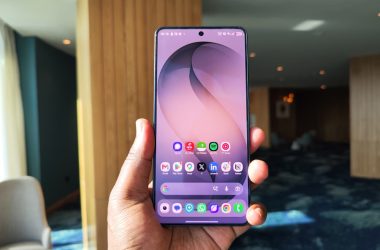
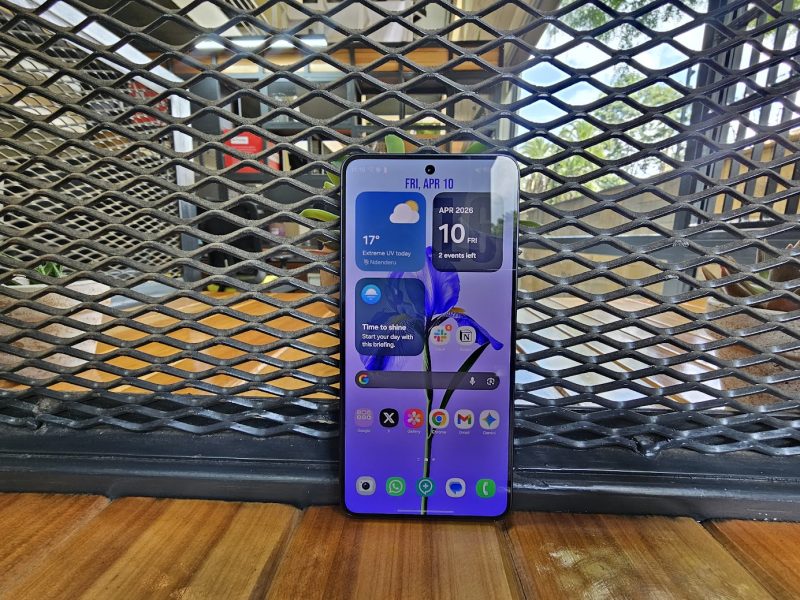
Fast forward to today, and I’ve spent the last week with the Samsung Galaxy S26. After years of carrying Ultra slabs that feel like glass-and-metal bricks, this tiny flagship feels much better on the ergonomics front.
Specs
-
Display: 6.3-inch Dynamic AMOLED 2X (1-120Hz)
-
Processor: Exynos 2600 (2nm architecture)
-
Battery: 4,300 mAh
-
Build: Flat-edge armour aluminium, IP68 rating
-
Cameras: New 50MP main, 12MP ultrawide, 10MP telephoto
In the US and China, you’ll find the usual Snapdragon internals. But my unit, sourced from Samsung Kenya, runs the Exynos 2600, built on a 2nm process. I know, I know—the ‘Exynos tax’ is a long-running meme in the tech community. But in early testing? This thing is turbo-fast.
I noticed it immediately during setup. I was simultaneously downloading 80+ apps from the Play Store, pulling backups from Samsung Cloud, and updating system apps. Most small phones would be thermal throttling or stuttering under that load. The S26 barely broke a sweat.
The design language has finally matured, though I feel Samsung could have done much more, to some extent. Samsung has leaned into the flat-edge trend we’ve seen elsewhere, and it works. The buttons are satisfyingly clicky, and the hand-feel is unmatched. It’s tiny, it’s nimble and it reminds me why I requested this specific model over the Plus or the Ultra.
The screen is, predictably, gorgeous. But the real shocker is the camera. I’m currently daily-driving an S23 Ultra, and the S26 is legitimately making it look bad. The processing is cleaner, the shutter lag is seemingly gone and the colour science feels more real and less ‘Samsung neon.’
The battery shocker
We need to talk about the 4,300 mAh cell. On paper, it’s tiny compared to the Chinese competition. And historically, Samsung phones have a honeymoon phase where the battery is great for three months before falling off a cliff.
But this past weekend was a gauntlet. I took over 300 photos at a friend’s traditional wedding, the kind of usage that usually kills my ageing S23 Ultra by 4:00 PM. I didn’t plug the S26 in once. It lasted the entire day. Whether that’s the efficiency of the 2nm chip or some One UI 8.5 improvements, I’m genuinely floored.
I’m loving this phone. It’s the spiritual successor to the S10 I’ve been asking for. However, the big question remains: will this 4,300 mAh battery hold up in 2026, or will it follow the path of its ancestors?
Stay tuned for a full review in a few days.