



Unilever has invested KES 70 million in an 800kW solar installation at its Nairobi factory, aiming to cut annual energy costs by about KES 30 million.
The array, operational since June, is expected to supply about 30% of the plant’s electricity. Together with an earlier switch of the factory’s boilers from heavy fuel oil to biomass, it has helped cut site emissions by about 40% from a 2023 baseline, the company estimates.
Unilever said the changes also make energy costs more predictable and the plant more resilient, part of a wider push to raise renewable use across its factories and reduce reliance on conventional fuels.
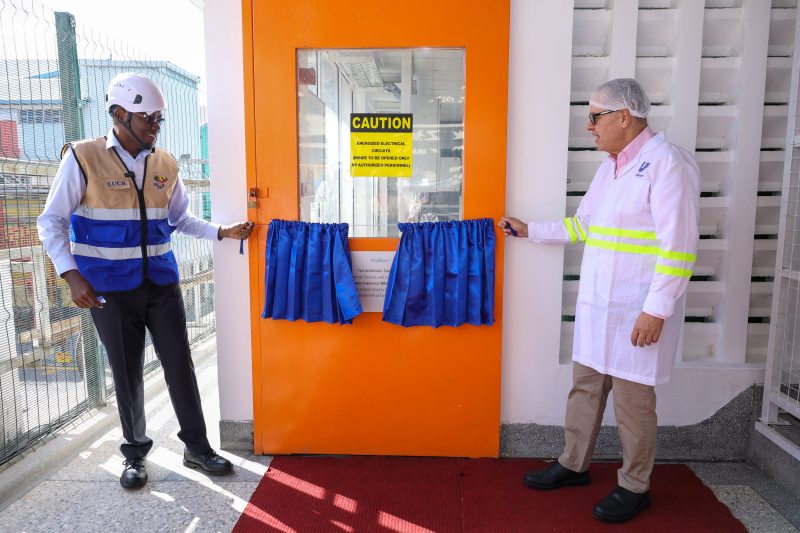
“Investments like this make our operations more resilient and more competitive while reducing our reliance on conventional energy,” said João F. Ribeiro, Unilever’s 1UL Supply Chain Head, who unveiled the installation at a ceremony at the factory.
The next phase will move the plant’s hot-air generation from heavy fuel oil to biomass-based fuels, further reducing its fossil-fuel use, Unilever said.
“By increasing renewable energy use at our Nairobi factory, we are reducing operational emissions, managing energy costs and strengthening the resilience of our supply chain,” said Elodie Kouassi, Head of Supply Chain for East Africa excluding Ethiopia.
Luck Ochieng, Managing Director for Unilever East Africa, and Richard Bogita, Head of Supply Chain for East and West Africa, also attended, along with members of the company’s Business Operations Leadership Team.
The investment comes as Kenya expands its renewable-energy capacity.