



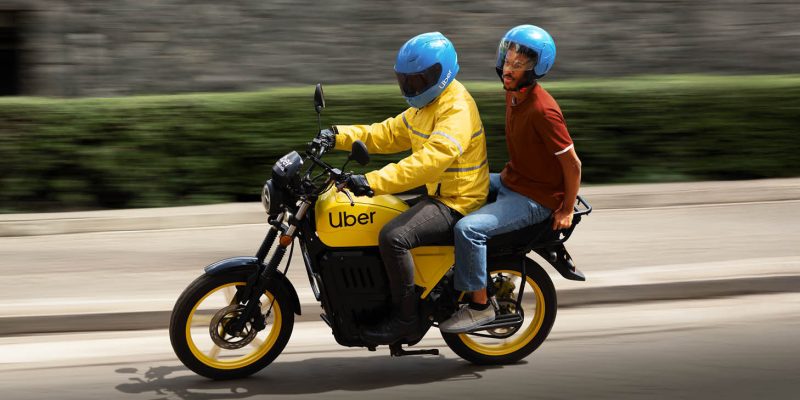
Uber Kenya is rolling out safety tools for its motorcycle service, Uber Boda, including real-time GPS tracking, an in-app emergency button, and driver background checks. The aim is to raise the bar for safety and professionalism in Kenya’s informal boda boda sector.
The move adapts Uber’s car safety playbook to two-wheelers. All drivers on the platform will undergo vetting and training, and riders can share trip details with contacts. Upfront fares are shown in-app, cutting out fare disputes. Uber says it also monitors safety incidents and shares data with regulators.
Motorcycle taxis are core to Kenya’s transport system. The NTSA says there are over 2.5 million registered motorcycles, with around 1.8 million active. Many are unregulated, and safety concerns remain widespread. Uber Boda is betting that adding structure—tech, tracking, and training—can offer a different path.
The company is also partnering with electric mobility firm Greenwheels Africa to introduce battery-powered bikes into the mix. Under the partnership, drivers receive training and regular checks.
Uber’s safety upgrade comes as ride-hailing players continue to target the boda space. The company is positioning its model as safer and more predictable, in contrast to how the sector currently runs. Whether riders and drivers shift in large numbers may depend on price, availability, and trust.