


Safaricom now has more than 50 million mobile customers in Kenya, up from just 17,000 when it launched in 2000. The company disclosed the milestone as part of its lead-up to a 25-year anniversary this October.
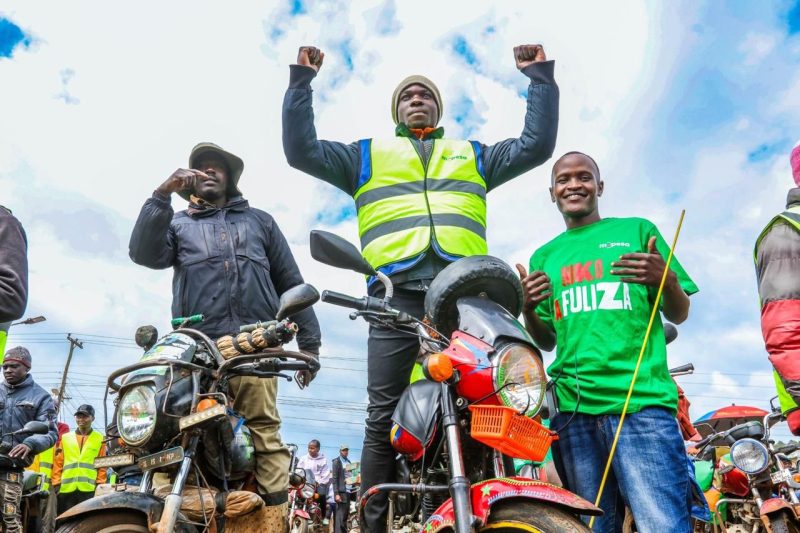
The announcement comes after a year-long push to reconnect with users through campaigns like Sambaza Furaha and M-PESA Sokoni, and amid growing scrutiny of Safaricom’s role in Kenya’s digital and financial systems. These numbers signal not just reach, but continued dominance in a maturing market where its influence extends well beyond telecoms.
Over time, Safaricom has built a mix of services spanning payments, lending, data access, health, and education, anchored in M-PESA, its flagship mobile money product. As of July 2025, it had also crossed 10 million users in Ethiopia, two years after launching there.
Yet the scale masks growing pressures. In Kenya, mobile money rivals like Airtel Money are gaining ground. Safaricom’s share of mobile money transactions dropped to 91% by September 2024, from 97% a year earlier.
The firm says it will now focus on personalised services and deeper impact. That signals a shift from growth to retention, as competition rises and regulation tightens.
Safaricom claims it contributed KES 722 billion to Kenya’s economy last year and supported over 1.28 million jobs. But with its reach comes greater accountability, not just for performance, but for how it shapes access to digital infrastructure in the region.
Its next moves will test how well it can evolve without losing trust.