



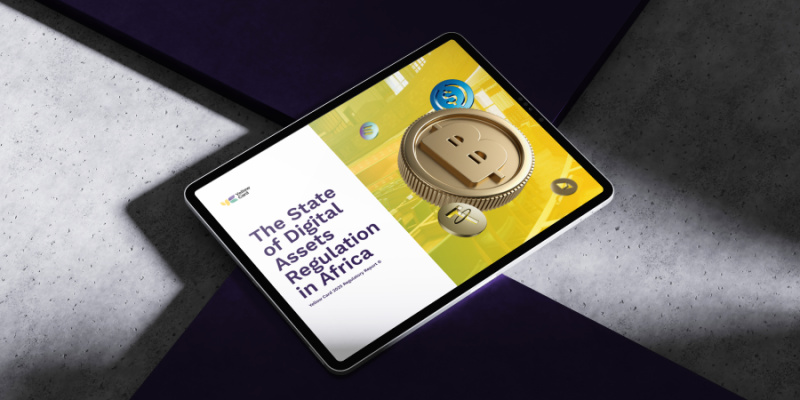
Yellow Card has released a new report on how digital assets are regulated across Africa, the first in-depth review of crypto rules on the continent.
According to the company, Africa’s digital asset scene is moving fast, with both users and governments racing to keep up. Kenya is pushing forward with new laws that would bring digital assets under clear regulation, including defining everything from cryptocurrencies to stablecoins and digital tokens.
The aim is to protect consumers and force service providers to get licenses and follow strict rules. This comes as more Kenyan banks and financial institutions are warming up to digital assets, a shift from the caution seen just a few years ago.
Nigeria stands out on the global stage, now leading the world in stablecoin adoption and ranking second overall for digital asset use. Nearly 26 million Nigerians use digital assets, making up almost 12% of the population.
The country’s regulators have changed course after a period of resistance, now giving the Securities and Exchange Commission broad powers to oversee the sector. This includes licensing, inspections, and the ability to demand data from telecoms. The new rules recognize digital exchanges and custodians, a big step toward mainstream acceptance.
Across the continent, adoption is growing, but regulation is inconsistent. Ten African countries are in the world’s top 50 for digital asset use, but only a few have clear rules in place. South Africa and Botswana already have regulatory frameworks, while countries like Egypt and the Democratic Republic of the Congo have large numbers of users but little regulation, or even outright bans.
Ghana is working on new laws expected by late 2025, aiming to balance innovation with consumer protection and financial stability.
Regulators are still figuring out how to handle issues like money laundering, terrorism financing, and taxation. Digital assets are often left out of foreign exchange controls, even in well-regulated markets.
Tax policies are uncertain, with some governments considering tough rules that could slow down growth.
As more Africans turn to digital assets for payments, savings, and remittances, the pressure is on for governments to find the right balance between encouraging innovation and keeping the system safe and fair.