



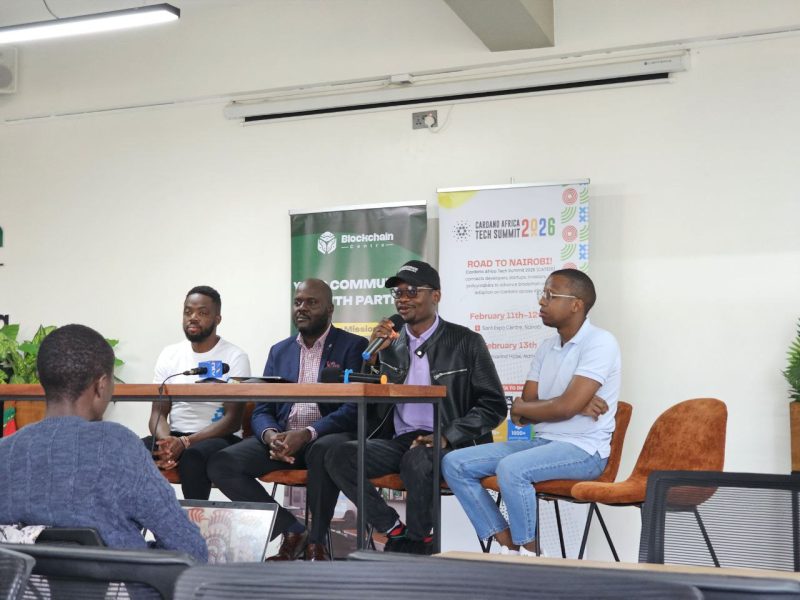
Cardano, the open-source blockchain network known for research-driven development, is stepping up its push in Africa with the Cardano Africa Tech Summit 2026.
The event lands in Nairobi on February 13, 2026, as Kenya moves to implement a new Virtual Asset Service Providers law that will place crypto firms under formal oversight for the first time.
That mix of a global blockchain project, a rising developer base and an emerging regulatory regime gives the summit national and regional weight.
The summit is the final stage of a continent-wide hackathon that drew thousands of participants from Nigeria, Ethiopia, the DRC, Rwanda, and Burkina Faso.
Organisers say the process moved past the usual short-burst competitions and pushed teams to work with local groups before writing any code. That shift matters as governments and donors look for products tied to real use cases rather than weekend prototypes.
Darlington Wleh, president of the Blockchain Centre Nairobi, said teams first sat with communities to map out practical gaps in areas such as payments, local administration, or resource tracking. Only then did they start to build. He said the aim was to avoid projects that disappear after an event and instead focus on tools that could stand up in real markets.
The ideas emerging from the programme reflect diverse economic pressures. Developers in Nigeria and Ethiopia worked on digital identity, open finance and governance tools. A team in Nyiragongo focused on tracing goods and managing resources in an area where trust in supply chains is often thin. Rwandan groups explored public-service delivery and regional trade, while the Inkuba project in Burkina Faso focused on farming systems and community finance.
The organisers frame CATS26 as a bridge between African developers and global partners at a time when many countries are reassessing how to police virtual assets.
Kenya’s draft VASP rules will require registration, disclosures, and consumer-protection safeguards, and could shape how blockchain firms operate in the region.
The summit gives local teams a chance to show how their work could fit into this tightening policy environment and attract support from investors, donors and technology companies.
They also hope the event will give African developers a route into global markets.
Organisers say the mix of regulatory shifts, real-world problem solving, and cross-border teamwork is creating an ecosystem that may hold up better than earlier cycles of speculation. The question now is whether these community-built tools can scale beyond pilots and influence how digital services are delivered across the continent.