



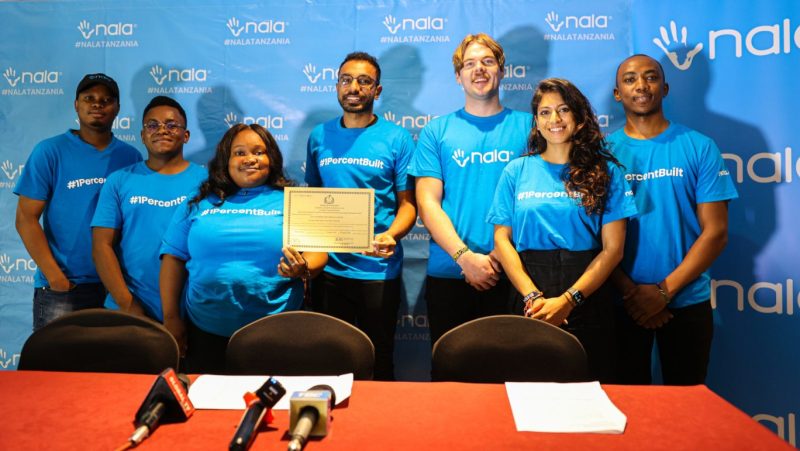
Fintechs Noah and NALA have launched an instant settlement network to replace the slow, expensive correspondent banking rails that currently hinder trade across Africa and Asia.
The partnership, announced Tuesday, aims to bridge a chronic $850 billion liquidity gap in emerging markets.
The firms allow businesses to collect U.S. dollars and distribute local currencies in minutes rather than days by using stablecoins as a settlement layer.
The move targets the last mile of global finance, where traditional wire transfers often lose 9% of their value to intermediary fees and volatile exchange-rate spreads.
A digital bypass for the Swift era
For decades, moving money into frontier markets has required a daisy-chain of correspondent banks. This system is increasingly viewed as an antiquity by fintech challengers, as it traps liquidity and operates only during Western banking hours.
The new network splits the labour: London-based Noah handles the regulated on-ramp, providing virtual USD accounts that convert fiat into digital stablecoins in real time.
NALA, through its infrastructure arm Rafiki, handles the off-ramp connecting those digital assets directly to local bank accounts and mobile money wallets like M-Pesa.
Shifting from speculation to utility
While the broader crypto market remains volatile, this tie-up highlights a shift toward “boring” blockchain use cases, specifically using dollar-pegged tokens as a low-cost plumbing system for global trade.
NALA, which has secured more than 10 regulatory licenses, reports that its infrastructure volume surged to $1 billion in just 18 months, driven by institutional demand for stablecoin liquidity.
“Stablecoins are not the story on their own,” said Shah Ramezani, CEO of Noah. “They are the rail that finally makes instant, compliant USD settlement possible at scale.”
Chasing the $1.5 trillion prize
The stakes are high as digital payments in emerging markets are projected to top $1.5 trillion by 2030. By bypassing the traditional banking grid, Noah and NALA are positioning themselves to capture the flows of global payroll, gig-economy payouts, and corporate treasury management.
For businesses operating in high-inflation environments, the ability to hold value in digital dollars and convert to local currency only at the moment of payout offers a critical hedge against currency devaluation.